
Skip to Main Content

Smart Home Systems Built to Last

Technovate provides residential AV and home theater solutions designed around how a space is built and how it will be used. These systems are planned, installed, and configured with long-term performance in mind, not as off-the-shelf packages or quick installs.

We work with homeowners, builders, designers, and property managers throughout the DMV, handling both new construction and retrofit projects.

A luxurious home theater features a large sofa, two screens displaying vibrant mountain landscapes, and warm and cool accent lighting.
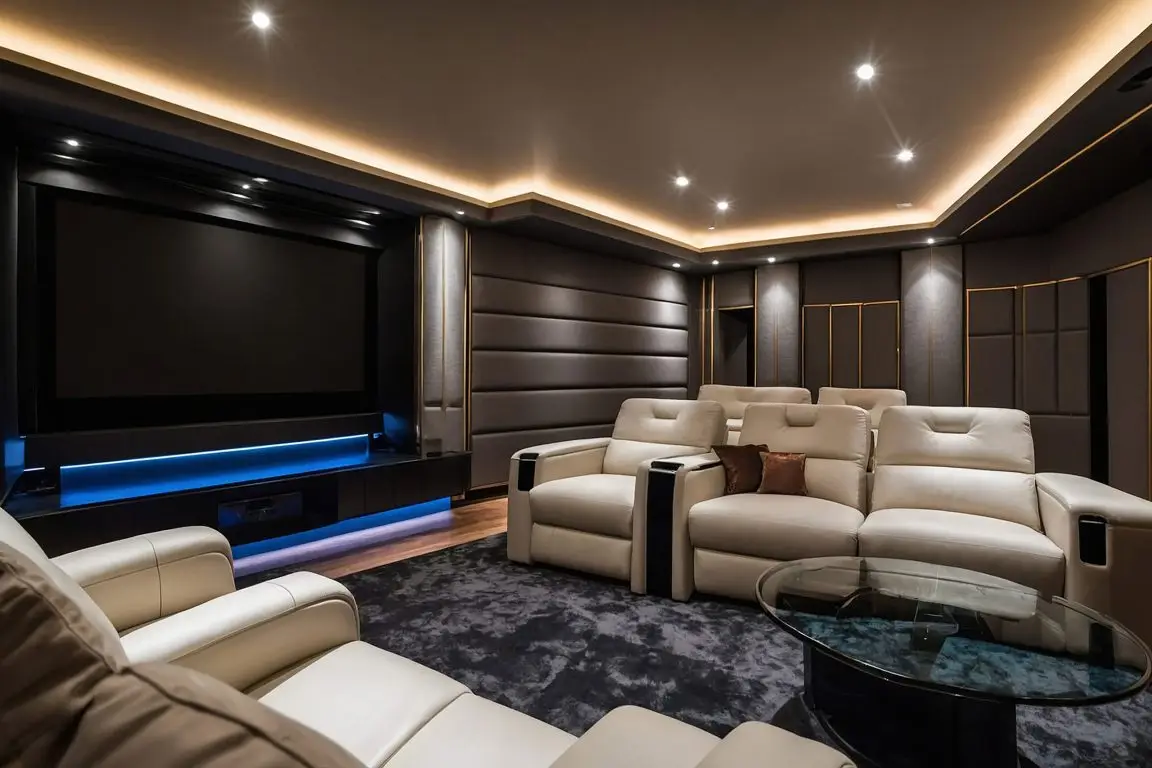
A luxurious home theater features cream reclining seats, a large screen with blue accent lighting, and padded dark walls with gold trim.

System Design and Planning

AV projects begin with design. For new construction, systems can be planned directly from architectural drawings before work begins on site. For existing homes, systems are designed around the current layout, construction limitations, and usage requirements.

Design considerations include speaker placement, display sizing, wiring paths, equipment location, and future expandability. The goal is to create a system that performs consistently and fits cleanly into the space without unnecessary complexity.

Home Theater and Audio Systems

Technovate designs and installs a wide range of residential audio and video systems, including but not limited to:

  • Dedicated home theaters
  • Media rooms and living room AV setups
  • Whole-home audio systems
  • Lighting and Shades
  • Smart Home Solutions
  • Outdoor audio and video
  • Surround sound and distributed audio
  • Security Systems
  • TV and Projector mounting

Each system is configured to deliver reliable performance, balanced sound, and intuitive operation.

Frequently Asked Questions About AV & Home Theater Solutions

What types of AV and home theater systems does Technovate install?

Systems include dedicated home theaters, media rooms and living room AV setups, whole-home audio, surround sound and distributed audio, outdoor audio and video, lighting and shades, security systems, and TV or projector mounting. Each one is configured for reliable performance, balanced sound, and operation that stays intuitive for the people using it.

When should AV planning start on a new construction project?

Before work begins on site. For new construction, systems can be planned directly from architectural drawings, which allows wiring paths, speaker placement, and equipment locations to be settled while walls are still open. Planning at that stage avoids compromises that are expensive or impossible to undo later.

Can AV and home theater systems be added to a home that is already built?

Yes. Technovate handles both new construction and retrofit projects. In existing homes, the system is designed around the current layout, the limitations of how the house was built, and how the space is actually used, rather than forcing a standard layout into a room that cannot accommodate it.

What does the design stage account for?

Design covers speaker placement, display sizing, wiring paths, equipment location, and future expandability. The aim is a system that performs consistently and fits cleanly into the space without unnecessary complexity, which is also what keeps it usable years after the install.

Do you work with builders, designers, and property managers?

Yes. Technovate works with homeowners, builders, designers, and property managers throughout the DMV. On construction and renovation projects, that means coordinating with the people already working on the space so AV requirements are accounted for alongside the rest of the build.

Can a system be expanded or upgraded later?

Future expandability is part of the design stage, so systems are planned with room to grow rather than built to a fixed endpoint. That makes it possible to add zones, displays, or sources later without redoing the infrastructure the system already runs on.

Are these off-the-shelf packages?

No. Systems are designed around how a space is built and how it will be used, then planned, installed, and configured with long-term performance in mind. That is a different approach from a packaged bundle or a quick install, where the equipment list is decided before anyone has looked at the room.